














Displaying items by tag: carmelite nuns europe
Chapter of the Carmelite Nuns Held in Vetralla
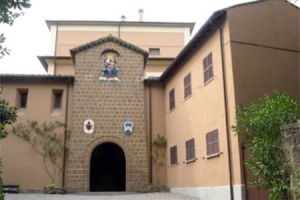
Elective Chapter Held in Carmelite Monastery of Monte Carmelo in Vetralla, Italy
The Carmelite monastery of Monte Carmelo in Vetralla, Italy, held its Chapter of Elections on September 9, 2026.
The monastery was founded in 1669 by Carmelite nuns commonly referred to as the "Barberine." The Venerable Maria Minima Aloisia of Jesus the Nazarene (d. 1831) lived there. After the buildings were completely destroyed during the Second World War, a new monastery was established in the suburbs of the town of Vetralla. In 2021, following the suppression of the San Giovanni La Punta monastery, three nuns from that community joined the Carmel in Vetralla.
From that monastery, nuns set out to found the Carmelite monastery in San Giovanni La Punta in 1960. The body of Cardinal Domenico Tardini was buried in the church of the monastery. It was through his generosity that the purchase of the new house was possible following the war. On July 30, 1962, Pope John XXIII visited the monastery and prayed at the tomb of the cardinal.
In the original monastery, St. Paul of the Cross, founder of the Congregation of the Passion of Christ (Passionists), conducted spiritual exercises and meditations and provided spiritual guidance to the nuns. The grills behind which he spoke are still preserved in the cloister parlors of the new monastery.
The monastery is a member of the St. Mary Magdalene de' Pazzi Federation of Carmelite monasteries. The website of the monastery is: www.carmelitanevetralla.it
The nuns elected to leadership roles are:
Prioress | Priora | Priora:
Sr M Rosalia di Gesù Risorto, O. Carm.
1st Councilor | 1ª Consejera | 1ª Consigliera:
Sr Marianna di Cristo Re, O. Carm.
2nd Councilor | 2ª Consejera | 2ª Consigliera:
Sr M Rita di Gesù Cristo, O. Carm.
Treasurer | Ecónoma | Economa:
Sr M Rita di Gesù Cristo, O. Carm.
Sacristan | Sacristana | Sacrestana:
Sr Marianna di Cristo Re, O. Carm.
Chapter of the Carmelite Sisters held in Málaga
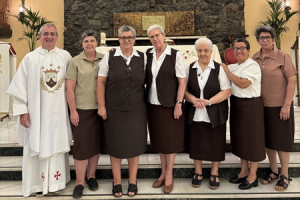
The XXIst Ordinary General Chapter of the las Hermanas Carmelitas del Sagrado Corazón de Jesús was held in Málaga
The 21st Ordinary General Chapter of the Hermanas Carmelitas del Sagrado Corazón de Jesús began on August 2 and concluded on August 22, 2026.
The Chapter took place at their Motherhouse / Madre Asunción School in El Limonar (Málaga) under the theme of the Chapter Year: Anchored in the Heart of Jesus Christ, Forgers of Hope.
During these three weeks, representatives from communities in various countries evaluated the progress of the Congregation and discerning the organizational steps for the coming years.
The Chapter Assembly elected the Superior General and her Council, who will guide the life and mission of the Congregation over the next four years.
The General Council is composed as follows:
Sr. Ma Teresa Delgado Aguado
Superior General
Sr. Lus Marina Materano Perozo
Vicar General
Sr. Lucía María Frois Colaco
Delegate Councilor for the Africa Zone
Sr. Mercedes Espinal de Jesús
Delegate Councilor for the Caribbean Zone
Sr. María José Medina Alguacil
Delegate Councilor for the Iberian Zone
Sr. Ma Dolores Calvo López
General Treasurer
General Chapter of the Carmelite Sisters Held
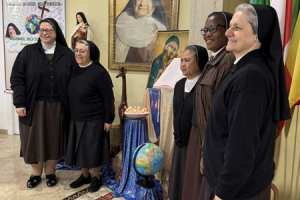
General Chapter of the Carmelite Missionary Sisters of St. Thérèse of the Child Jesus (SCMTBG) Held in March
The Carmelite Missionary Sisters of St. Thérèse of the Child Jesus met in Chapter at their motherhouse in Santa Marinella, a short distance from Rome along the Mediterranean Sea. Elections for the superior general took place on March 14. The General Council was elected the following day.
On March 10, the General Council of the Order travelled to Santa Marinella to spend time with the Chapter members. Desiderio Garcia Martinez spoke on the tragic loss of the sisters in Tanzania in September, including the head of the Institute and that tragic moments, in light of the Gospel and our Carmelite charism can be a time where hope quietly takes root and grows. The General Councilors took part in a later discussion with the sisters on the questions of leadership, charism, and life in the Carmelite Family. A meal together followed evening prayer in the chapel.
The Institute was founded on July 3, 1925, in the city of Santa Marinella (Rome, Italy) by Blessed Maria Crocifissa Curcio. The Carmelite Father Lawrence van den Eerenbeemt (1866-1977), was a close collaborator of Mother Crocifissa.
On July 16, 1925, the Institute was incorporated into the Carmelite Order by the prior general, Elias Magennis. Today, the Institute seeks to live a missionary spirit; for this reason, it carries out its work in mission lands, especially with young people, families, and women. The sisters are active in Italy, Malta, Romania, Canada, Brazil, the Philippine Islands, and Tanzania.
The website of the Institute is: www.madrecrocifissa.org
The General Chapter elected the sisters who will form the general government of the Institute during the next six-year period. They are:
General Prioress | Priora General | Priora generale:
Sr. M. Ivana Calvo
1st Councilor | 1ª Consejera | 1ª Consigliera:
Vicar General | Vicario General | Vicario Generale:
Sr. M. José de Oliveira
2nd Councilor | 2ª Consejera | 2ª Consigliera:
Sr. M. Flora Francis Mashughuli
3rd Councilor | 3ª Consejera | 3ª Consigliera:
Sr. M. Corazon Lao
4th Councilor | 4ª Consejera | 4ª Consigliera:
Sr. M. Grazia D'Angelo
Elective Chapter of the Carmelite Nuns in Huesca, Spain
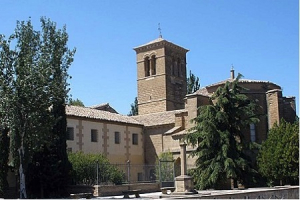
Elective Chapter Held in Carmelite Monastery "San Miguel" in Huesca, Spain
On the morning of March 17, 2026, the Carmelite monastery of San Miguel in Huesca, Spain held its triennial elective chapter. The nuns prayed for a renewed leadership and spiritual life through the conversion of their hearts to the love of God. After celebrating the votive Mass of the Holy Spirit, the nuns began the elective chapter with the election of the prioress.
The monastery was founded by the Carmelite Peter Sobrino in the year 1622. The monastery of the Assumption of Our Lady into Heaven, in the same city of Huesca, was founded from San Miguel in 1656.
The monastery is part of the "Mater Unitatis" Federation and is located in the Diocese of Huesca.
The nuns elected to leadership are:
Prioress | Priora | Priora:
Sor Ma. Gloria de Dios Caballero, O. Carm.
1st Councilor | 1ª Consejera | 1ª Consigliera:
Sor Ma. Blanca de la Eucaristía Barril, O. Carm.
2nd Councilor | 2ª Consejera | 2ª Consigliera:
Sor Ma. Pilar Borau, O. Carm.
Treasurer | Ecónoma | Economa:
Sor Ma. Blanca de la Eucaristía Barril, O. Carm.
Formator | Formadora | Formatrice:
Sor Ma. Gloria de Dios Caballero, O. Carm.
Sacristan | Sacristana | Sacrestana:
Sor Ma. Pilar Borau, O. Carm.
Carmelite Nuns Celebrate Elective Chapter in Madrid

The Monastery of Our Lady of Maravillas in Madrid, Spain Celebrated Its Elective Chapter July 24-25
On July 24-25, 2025, the Carmelite nuns of the monastery of Nuestra Señora de las Maravillas in Madrid, Spain, held their elective chapter.
The monastery was founded by Joanna de Baraona in 1612 as a place for pious women to gather in order to practice Christian perfection. With the help of Antonio Pérez, prior provincial of the Castille Province, the beateria became an official Carmelite monastery with its reception of the papal enclosure.
The monastery founded San José de las Matas (1954) and Dumaguete (1958).
The monastery belongs to the Mater Unitatis Federation.
Those elected to leadership are:
Prioress | Priora | Priora:
Hna. Ma Brunilda Rodríguez Velasco
1st Councilor | 1ª Consejera | 1ª Consigliera:
Hna. Ma Inmaculada Ochoa Blázquez
2nd Councilor | 2ª Consejera | 2ª Consigliera:
Sr. Ma. Antonia Domínguez Cortés
3rd Councilor | 3ª Consejera | 3ª Consigliera:
Hna. Ma Luisa Ruiz Cerro
4th Councilor | 4ª Consejera | 4ª Consigliera:
Hna. Ma del Carmen Martínez Pérez
Treasurer | Ecónoma | Economa
Hna. Ma Cristina Gil Moreno
Formator | Formadora | Formatrice
Hna. Ma Antonia Domínguez Cortés
Sacristan | Sacristán | Sacrestana:
Hna. Ma del Carmen Ruiz Navas
Carmelite Nuns in Jesi Holds Elective Chapter

Monastery of the Most Holy Trinity in Jesi Holds Elective Chapter
On Friday, June 20th the Carmelite community of the monastery of the Most Holy Trinity in Jesi (Italy) held their elective chapter.
The monastery was founded in 1684 by Cardinal Pietro Matteo Petucci († 1701), bishop of Aesinate. He changed the Franciscan Tertiaries, Aesinate ascetics, founded in 1660 into Carmelites. A few years later, in 1697, they received the papal cloister, passing to the Second Order. Around 1822, the Carmelite nuns of Montecarotto were received when their monastery was extinguished. Pope Pius IX visited the Aesinate monastery in May 1857. In 1965, a daughter monastery was founded in Montegnacco di Cassacco, and in 1979 the monastery of Carpineto Romano was founded.
The website for the Jesi monastery is: www.carmelitanejesi.com
Those elected to leadership are:
Prioress | Priora | Priora:
Sr. Alma M. Joseph di Gesù Crocifisso
1st Councilor | 1ª Consejera | 1ª Consigliera:
Sr. M. Giovanna Francesca Dei Verbum
2nd Councilor | 2ª Consejera | 2ª Consigliera:
Sr. M. Chiara dell'Eucaristia
Treasurer | Ecónoma | Economa
Sr. M. Chiara dell'Eucaristia
Formator | Formadora | Formatrice
Sr. Alma M. Joseph di Gesù Crocifisso
Sacristan | Sacristán | Sacrestana:
Sr. M. Giovanna Francesca Dei Verbum
Carmelite Nuns Held Elective Chapter in Barcelona

Elective Chapter Held in the Monastery of the Incarnation in Barcelona, Spain
The Carmelite nuns of the Monastery of the Incarnation in Barcelona, Spain, recently held their triennial, elective chapter.
The monastery was founded in 1649 by Srs. Gertrude of the Infant Jesus and Teresa of Jesus, two nuns from the monastery of Vilafranca del Penedès. Ven. Eulalia of the Cross, a mystic and author of several works, lived there, dying in 1721. This monastery founded the Carmelite monasteries in Valls, Vic, and Tarrega. In 1983, the community founded the monastery of Porlamar on the Isla Margarita.
The monastery is part of the Virgo Flos Carmeli Federation. The webpage of the monastery is: www.carmelitasbcn.org. The Facebook page is: carmelo.laencarnacion
The following nuns were elected to leadership:
Prioress | Priora | Priora:
Sr. Hna. María Jacinta Mutio Muithya
1st Councilor | 1ª Consejera | 1ª Consigliera:
Sr. María del Carmen Izquierdo Marín
2nd Councilor | 2ª Consejera | 2ª Consigliera:
Sr. Maria Joana Josa
Treasurer | Ecónoma | Economa
Sr. María Jacinta Mutio Muithya
Formator | Formadora | Formatrice
Sr. María del Carmen Izquierdo Marín
Sacristan | Sacristán | Sacrestana:
Sr. María Elizabeth Mbovi Mutisya
Elective Chapter Held in Villalba del Alcor, Spain

Elective Chapter Held in Villalba del Alcor (Huelva), Spain on May 13, 2025
On May 13, 2025, the Carmelite nuns of the Monastery of St. John the Baptist (San Juan Bautista) in Villalba del Alcor (Huelva) España held their elective chapter.
The monastery was founded in 1619 by the nuns of the Monastery of St. Anne in the city of Seville, under the leadership of Sister Beatrice Tinoro of St. John the Baptist († 1622) and with the support of Saint Franco García Jiménez, her cousin. They were accompanied by several lay women who intended to take the Carmelite habit in the new community. They were highly motivated following the Council of Trent.
From here the monastery of the Most Blessed Sacrament (Monasterio del Smo. Sacramento) in the city of Cañete la Real was founded (1662). The monastery celebrated its 400th anniversary in 2019.
The webpage of the monastery with a large selection of pictures from the 2019 celebrations as well as other information is located at www.carmelitasenvillalba.com
The following were elected to leadership:
Prioress | Priora | Priora:
Sor María del Carmen del Toro Medina
1st Councilor | 1ª Consejera | 1ª Consigliera:
Sor María Pilar Martín Gómez
2nd Councilor | 2ª Consejera | 2ª Consigliera:
Sor María Inés Vázquez Gallardo
3rd Councilor | 3ª Consejera | 3ª Consigliera:
Sor María Consuelo de Jesús Pérez García
4th Councilor | 4ª Consejera | 4ª Consigliera:
Sor Antonia María Díaz Sánchez
Treasurer | Ecónoma | Economa
Sor María Yolanda Romero Talamante
Formator | Formadora | Formatrice
Sor María Pilar Martín Gómez
Triennial Chapter of the Nuns in Aracena Held

Triennial Chapter of the Carmelite Nuns of the Monastery of Santa Catalina in Aracena, Spain Held
The Elective Chapter of the Carmelite Monastery of Santa Catalina in Aracena, Spain was held on November 18-19, 2024. Fr. Emilio Rodriguea Claudio, OSA, vicar general and episcopal vicar for Contemplative Life in the Diocese of Huelva presided. Eight nuns of the community participated.
Various decisions were taken. Among these was to work on ongoing formation and within it to deepen the community's identity according to the charism and the teachings of the Carmelite saints.
The Aracena monastery was founded when two pious sisters of the Castilla Infante family, with the assistance of a religious, opened a house on their property. On Feburary 21, 1536, the house became official, dedicated to the Blessed Virgin Mary of Mount Carmel. It was annexed to the church of St. Catherine by Cardinal Alphonso Manrique, the Archbishop of Spain. The monastery has founded other monasteries in Andalucia (Southern) Spain, Portugal, and Kenya.
The monastery belongs to the Mater et Decor Carmeli Federation. The website for the monastery is www.monjascarmelitasaracena.es
The following nuns were elected:
Prioress | Priora | Priora:
Sor Elena M. López Font, O. Carm.
1st Councilor | 1ª Consejera | 1ª Consigliera:
Sor Ma. Remedios Álvarez Soríano, O. Carm.
2nd Councilor | 2ª Consejera | 2ª Consigliera:
Sor Ma. Victoria Escamilla Martín, O. Carm.
Treasurer | Ecónoma | Economa
Sor Ma. Victoria Escamilla Martín, O. Carm.
Formator | Formadora | Formatrice
Sor Elena Ma. López Font, O. Carm.
Sacristan | Sacristana | Sacrestana
Sor Ma. Remedios Álvarez Soríano, O. Carm.
Carmelite Order Celebrates Day of the Cloistered Nuns

Carmelite Order Celebrates Day of the Cloistered Nuns, Pro orantibus. Prior General Sends Letter
In recognition of Pro orantibus, the day the Church dedicated to contemplative nuns, Fr. Míceál O’Neill, the prior general of the Carmelite Order, wrote to the monasteries of the Order. The letter focuses on 2024 being the Year of Prayer, as announced by Pope Francis at the beginning of the year. The prior general connects this year of prayer to the Carmelite charism, writing to those “who incarnate the Carmelite charism to think about our vocation to pray, to pray more intensely ourselves and to help other to pray.”
Reflecting on the Gospel read in the celebrations of both St. Thérèse of Lisieux and St. Francis of Assisi, he finds that God reveals “truths to children like us” in prayer. “Prayer is a communication between persons divine and human who are united in love.” The great Carmelite nun, St. Mary Magdalene de’ Pazzi, teaches us about the moment after Holy Communion when she began to think about the Gospel she had heard in the Eucharist. “There was no better place for her to be at the moment.”
Fr. Míceál also explores the Order’s tradition of prayer and contemplation as recorded in the Order’s Constitutions for the nuns. He points out that the revision of those for the men in 2019 focused the most attention on contemplation. Recalling that the nuns are well into the process revising their own Constitutions, he points out that proposed revisions clearly recognize the gift of contemplation is the nuns’ “charism and calling in a way that allows you to live out that vocation yourselves and explain it to the Church of today and to those who will approach you in the future …”
The prior general notes that liturgical prayer “is the privileged place desired by Christ for our encounter with him.” He senses movement in the Order today “to recover and enhance our rich liturgical tradition.” He highlights a recent publication and the scheduled Liturgical Congress in May. He asks that the liturgies celebrated during the Jubilee Year “contribute to … enlightenment and moving us to seek reconciliation in families, in the Church, in communities.”
Finally, Fr. Míceál speaks of prayer as “discernment, discernment alone in the cell, nourished and completed by discernment in the community and vice versa.” He writes that “a community that comes together to pray and engage in communal discernment is a community that is capable of growing in maturity and responding each day, more fully, to the call to holiness which is union with God.” He concludes “union with God does not exist without union with neighbor, union with our families, union with our religious community.”
He concludes wishing that this day of Pro orantibus be an experience of joy for the sisters and a moment of renewal of love for prayer in their lives.


